
 By
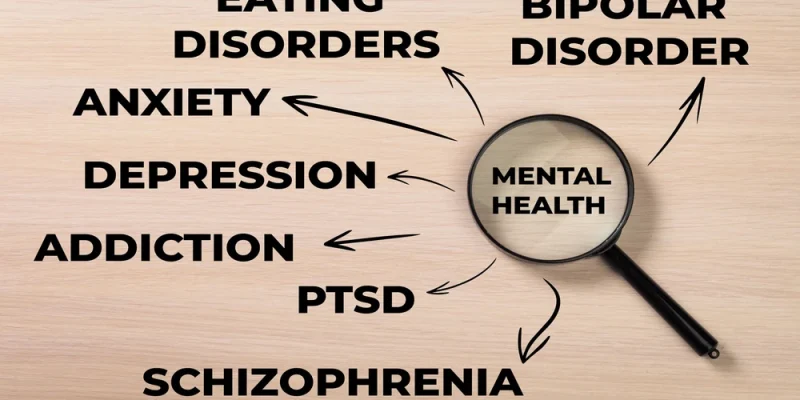
When the manifestations of depression occur rapidly, it is hard to imagine how one can wait for weeks for an appointment with a doctor. When a person becomes sad, exhausted, unable to sleep, and doesn’t do the things that he or she usually does, immediate help should be provided. The same-day psychological consultation enables one to get professional help on the same day. It can be used by people as an alternative to waiting and going to hospitals. The same-day mood evaluation enables one to know immediately what kind of treatment one requires. Such a process makes a person feel comfortable and relaxed. All the knowledge of the first appointment can make a person feel relaxed. If you want to get mental health help fast and know the way to begin, learn more about depression care.
Why Rapid Intake Matters During an Acute Episode
When one is affected by the feeling of being down over a prolonged time period, the person would experience difficulty in doing everyday tasks. According to statistics from the Substance Abuse and Mental Health Services Administration (SAMHSA) and the National Institute of Mental Health (NIMH), it is observed that around 21 million American adults are affected by this problem every year. But 40% of these people come forward to get help after spending a lot of time. Urgent mental health consultations focus on immediate diagnosis and safety planning within 24 to 48 hours after the onset of the symptoms.
The 4 Key Stages of a Same-Day Urgent Depression Consultation
The same-day mental health assessment is a caring way to conduct the first appointment. During the first appointment, the patient will be examined to see how he/she feels right now. He/she will be asked about the reasons for these feelings.
| Consultation Stage | Primary Focus | Key Activities & Tools | Expected Outcome |
|---|---|---|---|
| 1. Clinical Intake & Triage | Gathering background & symptoms | Standardized diagnostic tools (PHQ-9, GAD-7) | Baseline severity score |
| 2. Psychiatric Risk Assessment | Evaluating safety & support systems | Open discussion on suicidal ideation & stress | Individualized safety plan |
| 3. Medical & Diagnostic Review | Ruling out physical/somatic factors | History review, medication check, somatic screening | Clear diagnostic clarity |
| 4. Action Plan & Referral | Immediate stabilization | Prescribing non-controlled meds, therapy setup | Defined next steps |
Stage 1: Comprehensive Symptom & History Screening
The assessment begins by asking some simple questions about your state of health. The discussion of how you currently feel both psychologically and physically is also part of the process.
Assessment tools such as the PHQ-9 are used to determine the severity of the condition. Discussions are conducted with people to determine if there are sleep disorders, eating disorders, brain fog, and life stresses.
Stage 2: Safety Evaluation and Crisis Stabilization
A psychiatric provider assesses safety risk very early in the process in order to develop a safety plan and a coping mechanism for that particular patient.
In case you are feeling depressed or suicidal, the clinical staff will help you develop a safety plan, which will help you understand the underlying causes of your depression. It will help you feel safe, identify your sources of strength, and also identify the people to contact in case of emergencies.
What Treatments Can Be Initiated on the Same Day?
An urgent consultation is not only an assessment. It is the start of care from that moment. The clinicians move quickly. They start several treatments during the checkup, based on what they see.
- Short-Term Psychiatric Medications: Psychiatric licensees assess whether safe psychotropic medications that are not regulated need to be prescribed. Such an assessment helps with improving sleep, mood, and other feelings.
- Nervous System Regulation: Some top outpatient facilities utilize easy techniques such as microcurrent neurofeedback or somatic grounding. They assist in reducing significant physical stress.
- Warm Handoffs: The referral system is organized by the facility. You don’t need to search for treatment by yourself. They will provide you with long-term therapy options, outpatient facilities, or group therapy.
Dealing with such an intense period of depression can become overwhelming. The good news is, however, you don’t have to suffer for very long before finding some relief. Instant talk about mental well-being can be your key to dealing with things today. You’ll get the prompt assistance, straightforward information, and support you need, according to your feelings and requirements. Making this move will help you feel confident in the future steps you’re going to take. There is no need to suffer for a long while – you will learn more about depression care specifically for your needs.


Comments