
 By
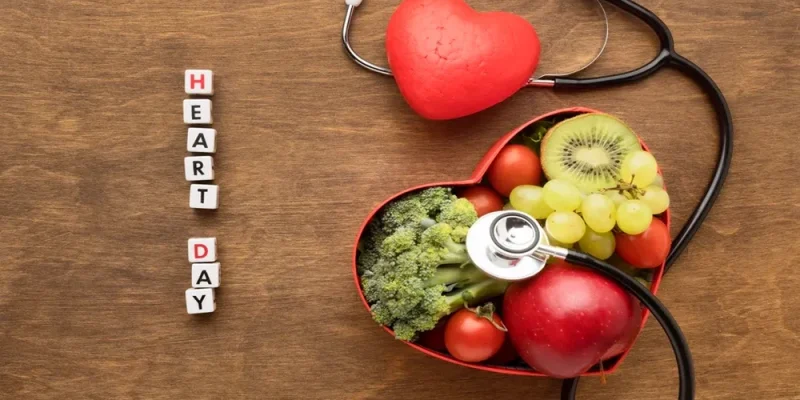
Cardiovascular disease remains one of the leading causes of death worldwide. Yet many of its main risk factors, such as high blood pressure, high cholesterol, smoking, inactivity and excess weight, can be influenced by everyday choices. You do not need dramatic changes to make a difference. Small, consistent habits add up over time. This article covers the key lifestyle steps that support heart health and explains where supplements may fit in.
Know Your Numbers
The first step to protecting your heart is understanding your current health. Regular check-ups help identify risks early. Important measurements include:
- Blood pressure
- Cholesterol levels, including LDL, HDL and triglycerides
- Blood sugar
- Body weight and waist circumference
Many people have high blood pressure without symptoms, which is why it is sometimes called a “silent” risk factor. Ask your doctor how often you should be checked based on your age and history.
Eat for Your Heart
Diet has a powerful influence on cardiovascular health. Patterns such as the Mediterranean diet are widely associated with heart benefits. Key principles include:
- Plenty of vegetables, fruits, legumes and whole grains.
- Healthy fats from olive oil, nuts, seeds and oily fish.
- Moderate amounts of lean protein, such as poultry and fish.
- Limited processed meats, refined carbohydrates and sugary drinks.
- Reduced salt intake to support healthy blood pressure.
Cooking at home more often makes it easier to control salt, sugar and fat.
Move Every Day
Regular physical activity strengthens the heart, helps control blood pressure, improves cholesterol levels and supports weight management. Many health organizations recommend at least 150 minutes of moderate activity per week, such as brisk walking, cycling or swimming, plus muscle-strengthening exercises on two or more days.
If you are currently inactive, start small. A ten-minute walk after meals is a great beginning. Gradually increase duration and intensity.
Stop Smoking
Smoking damages blood vessels, raises blood pressure and increases the risk of heart attack and stroke. Quitting is one of the most effective things you can do for your heart, and benefits begin soon after stopping. Ask your doctor or pharmacist about support programs and nicotine replacement options.
Limit Alcohol
Excessive alcohol consumption can raise blood pressure and contribute to heart problems. If you drink, do so in moderation, following your local health guidelines, and include alcohol-free days each week.
Manage Stress
Chronic stress can affect heart health directly and indirectly, by encouraging unhealthy habits such as poor diet, smoking or lack of sleep. Helpful strategies include:
- Regular exercise
- Breathing exercises and meditation
- Time in nature
- Social connection
- Hobbies and creative activities
Prioritize Sleep
Poor sleep is linked to high blood pressure, obesity and diabetes. Aim for seven to nine hours per night. If you snore loudly or feel exhausted despite sleeping, talk to your doctor, as sleep apnea is associated with cardiovascular risks.
Maintain a Healthy Weight
Excess weight, particularly around the waist, increases the strain on the heart and raises the risk of high blood pressure and diabetes. Even modest weight loss can improve blood pressure, cholesterol and blood sugar levels.
Where Do Supplements Fit In?
Many people are interested in supplements for heart support. Some nutrients, such as omega-3 fatty acids, have been studied in relation to cardiovascular health, with mixed results depending on the population and dose. Supplements cannot replace a healthy diet, physical activity or prescribed medication.
If you are considering a product and want to Cardisana kaufen, check the ingredient list, recommended dosage and any warnings, and discuss it with your doctor or pharmacist first. This is especially important if you take medication for blood pressure, cholesterol, blood thinning or diabetes, as some supplements can interact with these drugs. Never stop or change prescribed treatment without medical advice.
Recognize Warning Signs
Seek emergency medical help immediately if you or someone else experiences:
- Chest pain, pressure or tightness
- Pain spreading to the arm, neck, jaw or back
- Shortness of breath
- Sudden weakness or numbness, especially on one side of the body
- Sudden difficulty speaking or understanding speech
- Sudden severe headache
- Fainting
Symptoms can differ between men and women; women more often experience nausea, fatigue or back and jaw pain. Acting quickly saves lives.
Build Habits Step by Step
Trying to change everything at once can feel overwhelming. Choose one or two habits to start:
- Add a portion of vegetables to each meal.
- Walk for twenty minutes daily.
- Replace sugary drinks with water.
- Go to bed thirty minutes earlier.
- Cook one extra meal at home per week.
Once these become routine, add another.
Frequently Asked Questions
How often should I check my blood pressure? Your doctor can advise based on your age and risk factors. Many people benefit from checking at home with a validated monitor and keeping a simple log to share at appointments.
Is a little salt really a problem? Most salt in modern diets comes from processed foods, bread, ready meals and restaurant dishes rather than the salt shaker. Reading labels and cooking at home are effective ways to reduce intake.
Can young people ignore heart health? No. Habits formed early influence long-term risk. Regular activity, a balanced diet and not smoking benefit people of all ages.
Can supplements replace blood pressure medication? No. Never replace prescribed medication with supplements. Discuss any product with your doctor first, and bring the packaging to your appointment.
Final Thoughts
A healthy heart is built through everyday choices. Know your numbers, eat a balanced diet, move regularly, avoid smoking, limit alcohol, manage stress, sleep well and maintain a healthy weight. Supplements may be of interest to some people, but they should only complement these foundations and be discussed with a healthcare professional. Your heart works for you every second of every day; small daily habits are a meaningful way to return the favor.




Comments