
 By
By 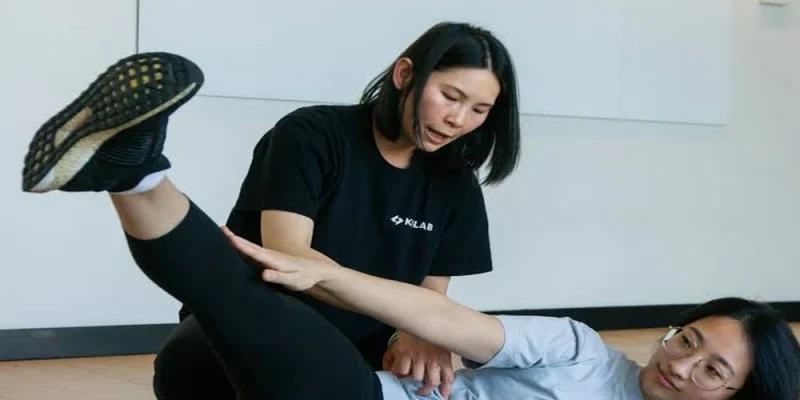
A hamstring that still feels tight six weeks after a weekend game is not healing on its own timeline anymore. It is compensating. Muscles and joints around an unresolved injury quietly start doing extra work to protect the sore area. That borrowed effort is exactly what turns a two-week strain into a problem that follows someone into spring. A clinic built around assessment first, not just symptom relief, tends to catch that compensation pattern before it becomes the actual injury. Blackburn Physiotherapy Clinic works this way.
What an Actual Assessment Looks At
A proper physiotherapy assessment starts with movement, not with the sore spot itself. How a knee tracks during a single-leg squat. Whether a shoulder loses range in one specific direction only. Small, specific details that a person cannot reliably observe about their own body simply because nobody can watch themselves move from the outside.
The range of complaints that show up is wide. Low back pain. Neck pain. Shoulder instability. Hip and groin pain. Knee ligament injuries. Ankle sprains. Tendon issues affecting the Achilles, the patella, and the rotator cuff. Looking past the obvious symptom usually reveals how varied the actual problems are.
Evidence Based Does Not Mean One Size Fits All
Hands on therapy, customised exercise programs, and movement education form the backbone of treatment here, according to the clinic’s own description of its approach. But the mix changes considerably depending on what the assessment actually finds. A rotator cuff tear responds to a completely different loading sequence than tennis elbow does, even though both sit in the same shoulder and arm region a patient might describe simply as arm pain.
Who Actually Walks Through the Door
- School age kids with a first sports injury
- Weekend athletes carrying a niggle into their forties and fifties
- Adults managing arthritis well into their eighties and nineties
- Anyone recovering from ACL, MCL, or PCL surgery who needs a structured return to sport plan
The practice states it treats patients from school age through to 100 years old, and confirms no GP referral is required to book. Two details that matter more than they first appear, since referral requirements and age restrictions quietly exclude plenty of people from care elsewhere.
A Clinic Built Around Repeat Visits, Not One Off Fixes
Recovery from a genuine soft tissue injury is rarely a single appointment problem. It is a loading problem, solved gradually across several weeks as tissue tolerance rebuilds under supervision. A Blackburn Physiotherapy Clinic that runs online booking around the clock, with instant confirmation and no account login required, removes a small logistical friction from a process people already tend to delay. Access matters just as much as expertise once someone has actually decided to get an injury looked at properly.
Getting Back to the Activity, Not Just Out of Pain
Returning too early on pain alone is one of the more common ways a minor injury becomes a recurring one. The tissue has quietened down. The strength and control have not yet caught up. That gap is easy to miss when the only measure being used is whether something still hurts.
A structured plan tracks that gap deliberately. It does not assume the absence of pain means the job is finished. Instead it tests the area under progressively harder conditions. Single-leg balance. Controlled change of direction.
Without that process the same problem often returns within weeks or months. With it the recovery is slower on paper yet more complete in practice. The difference shows up later, when the body is asked to do the thing that originally caused the injury and holds up without complaint.





Comments