1. INTRODUCTION
More than just your smile, losing a tooth can have a lasting impact on your speech, eating habits, and self-esteem. In the U.S., around 178 million people experience tooth loss, making it a very common concern. Fortunately, modern dentistry offers several ways to restore your smile, and dental implants have become one of the most preferred options. They look and function like natural teeth, making them a long-term investment in both health and confidence. However, the cost of dental implants can vary from person to person. Here are the main factors that influence their price.
2. TYPE OF DENTAL IMPLANTS
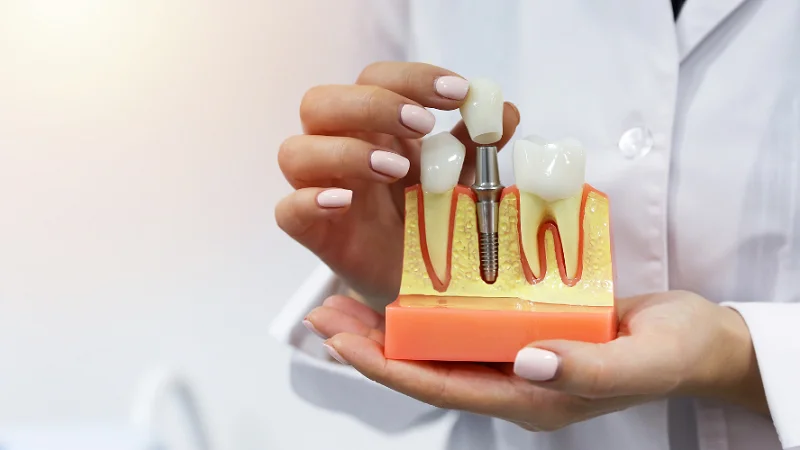
Dental implants can be placed in a variety of ways, and the best course of action for you will depend on your unique requirements. In some cases, the implant is placed first, and the gum is stitched over it to allow time for healing. After a few months, a second procedure is done to attach the abutment — the piece that connects the implant to the crown. This two-step process is often used when a bone graft is needed to strengthen the jaw. In other cases, a longer implant can be placed in a single surgery, reducing the overall time and cost. During your appointment, your dds will consider which approach is suitable for you.
3. NUMBER OF IMPLANTS NEEDED
The number of implants required directly affects the overall cost. Replacing one tooth will cost less than replacing several. For patients missing multiple teeth, dentists may recommend alternatives such as implant-supported bridges or dentures, which use fewer implants. This can help achieve a full smile restoration at a more affordable price.
4. PRELIMINARY PROCEDURES
To assure a solid and healthy foundation, certain patients require additional procedures prior to receiving implants. These steps prepare your mouth for successful implant placement, but also add to the total cost. While these extra procedures might seem expensive, they are crucial for ensuring long-lasting results and preventing future complications.
5. LOCATION OF THE TOOTH
The placement area of the implant also affects pricing. Replacing a front tooth usually costs more than replacing one at the back. This is because front teeth require greater precision to match the natural shape, color, and angle of your smile. To ensure a smooth, natural appearance, dentists often use cutting-edge methods and equipment, which may slightly raise the final cost.
Before implants can be placed, your gums and surrounding tissues need to be healthy. If you have gum disease or other oral infections, these must be treated first. Additional care and preventive steps may increase the cost, but they are essential for the success of your implant treatment.
7. CONCLUSION
Choosing dental implants is more than just a cosmetic decision — it’s an investment in your long-term oral health and self-confidence. You can find the best and most economical way to restore your lovely, healthy smile by being aware of these aspects and consulting with your dentist regarding them.