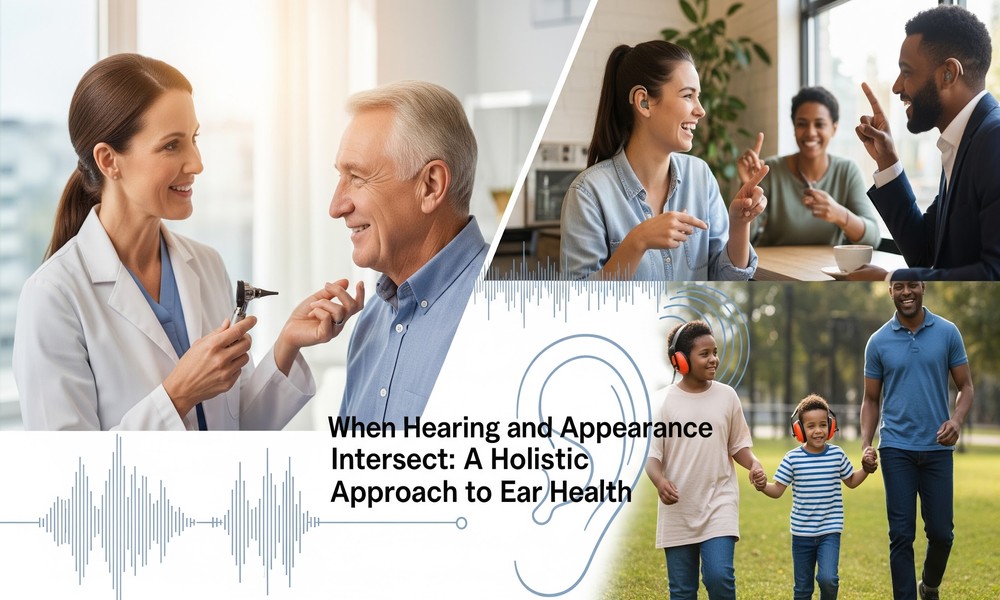
Ears play a critical role in both our functional abilities and how we perceive ourselves. Beyond enabling communication and environmental awareness, ear health can influence self-esteem, social confidence, and overall well-being. For many, subtle changes in hearing or ear structure may go unnoticed until they begin affecting daily life.
Functional concerns, such as hearing loss or recurring ear infections, and cosmetic considerations, like asymmetry or protruding ears, often intersect. Addressing one without the other may leave patients with incomplete improvements in quality of life. A holistic approach considers both sensory health and aesthetics, blending clinical care, surgical interventions, and preventive strategies to optimize outcomes.
Understanding the full scope of ear health-ranging from auditory function to facial harmony-allows individuals to take proactive steps. Early evaluation, patient education, and coordinated care ensure that physical, psychological, and social dimensions are addressed simultaneously.
Recognizing Hearing Health as a Foundation
Hearing is more than just detecting sound; it is essential for communication, cognitive development, and social interaction. Even mild hearing loss can lead to challenges in conversation, fatigue, and reduced participation in social activities.
Advanced Audiology Care provides comprehensive hearing tests that assess not only volume perception but also clarity, frequency response, and auditory processing. Early identification of hearing changes allows for timely interventions, whether through assistive devices, lifestyle adjustments, or medical evaluation.
Routine hearing assessments also create a baseline for long-term auditory health. Individuals who monitor changes over time can work with specialists to prevent complications and maintain optimal communication abilities.
Common Ear Concerns Across Ages
From childhood to older adulthood, ears undergo changes that may affect both hearing and appearance. Children may experience frequent infections, congenital malformations, or alignment issues, while adults may encounter hearing degradation, injury, or cosmetic dissatisfaction.
Hearing loss, whether gradual or sudden, can impact academic or professional performance. Ear infections, if untreated, may lead to long-term complications, and structural differences can influence self-confidence, particularly in social settings.
Understanding these variations highlights the need for integrated care that addresses functional, aesthetic, and emotional aspects of ear health at all life stages.
The Role of Structural and Cosmetic Interventions
Cosmetic and reconstructive ear procedures not only improve appearance but also support functional outcomes. Correcting asymmetry, prominent ears, or post-injury deformities can enhance self-esteem and social confidence.
North Texas Facial Plastic Surgery specializes in otoplasty and related procedures that combine aesthetic considerations with anatomical alignment. These interventions are tailored to each patient, addressing both visual harmony and potential functional concerns.
When patients consider surgical options, pre-operative counseling emphasizes realistic expectations, recovery timelines, and the importance of preserving hearing function. This dual focus ensures that aesthetic improvements complement, rather than compromise, auditory health.
Bridging Functional and Cosmetic Care
Optimal ear care requires coordination between audiology, surgical specialists, and primary care providers. Collaboration ensures that hearing assessments inform surgical planning and that any underlying conditions are managed appropriately.
Neutral sections between client mentions: Patients benefit from integrated care models where hearing evaluations, surgical interventions, and follow-up monitoring are aligned. This multidisciplinary approach reduces the risk of complications and ensures that both function and appearance are addressed holistically.
Education on post-operative care, auditory protection, and lifestyle considerations further supports recovery and long-term satisfaction. Awareness of potential risks and preventive strategies empowers patients to maintain ear health proactively.
Preventive Care and Routine Evaluations
Regular medical check-ups play a crucial role in maintaining ear health. Routine exams can detect early signs of infection, structural changes, or hearing degradation before they become severe.
Kimball Health Services provides ENT care and primary care coordination, offering referrals to audiologists or surgical specialists when necessary. Preventive health strategies, including vaccination, infection monitoring, and lifestyle counseling, reduce the likelihood of chronic or recurrent ear problems.
By emphasizing prevention and early intervention, patients can avoid extensive treatment and preserve both functional hearing and aesthetic appearance. Preventive care also reinforces patient education, encouraging proactive engagement in overall wellness.
Supporting Hearing and Social Confidence
Hearing challenges can impact more than just physical ability; they affect interpersonal communication, social participation, and self-esteem. Early interventions, including hearing aids or auditory therapy, support not only functional improvement but also emotional well-being.
Advanced Audiology Care emphasizes individualized plans that address the unique needs of each patient. Hearing aids, assistive devices, and auditory training programs enhance communication, reduce frustration, and foster confidence in social and professional contexts.
Patients who receive integrated support often report improvements in mood, engagement, and overall quality of life. These benefits demonstrate that functional interventions are as important to self-perception as structural or cosmetic corrections.
Coordinating Surgery and Recovery
Post-surgical care is essential for both cosmetic and functional success. Proper follow-up ensures that ear structures heal appropriately, hearing remains intact, and potential complications are promptly addressed.
Facial plastic surgeons collaborate with audiologists and primary care providers to optimize outcomes. Recovery plans may include activity modifications, protective measures, and monitoring for auditory changes.
Structured recovery enhances patient satisfaction and supports sustained improvements in appearance, self-confidence, and auditory function. Patients also benefit from guidance on realistic expectations and gradual adaptation to physical changes.
Holistic Strategies for Long-Term Ear Health
Maintaining healthy ears over a lifetime requires attention to both function and form. Regular hearing assessments, preventive care, and attention to structural concerns are all critical components.
Lifestyle measures, including ear protection during noise exposure, proper hygiene, and early treatment of infections, support long-term outcomes. Emotional and social considerations, such as counseling for confidence after visible ear changes, may also be integrated into a comprehensive care plan.
Multidisciplinary approaches reinforce the importance of addressing physical, auditory, and psychological aspects together rather than in isolation. This holistic strategy maximizes patient well-being across multiple dimensions.
Conclusion: Integrating Health, Function, and Confidence
Ear health encompasses far more than hearing alone. Functional ability, structural appearance, and emotional confidence are interrelated, influencing daily life, social interactions, and self-esteem.
By integrating audiology, surgical interventions, and coordinated primary or ENT care, patients receive a comprehensive framework for addressing both immediate and long-term concerns. This approach underscores the value of preventative care, individualized treatment, and multidisciplinary collaboration.
Confidence and functionality are mutually reinforcing. Patients who address hearing and appearance in a coordinated manner often experience improvements not only in auditory performance and aesthetic satisfaction but also in overall quality of life. Recognizing the interconnected nature of ear health allows individuals to pursue proactive, holistic strategies that support wellness, self-perception, and lasting confidence.