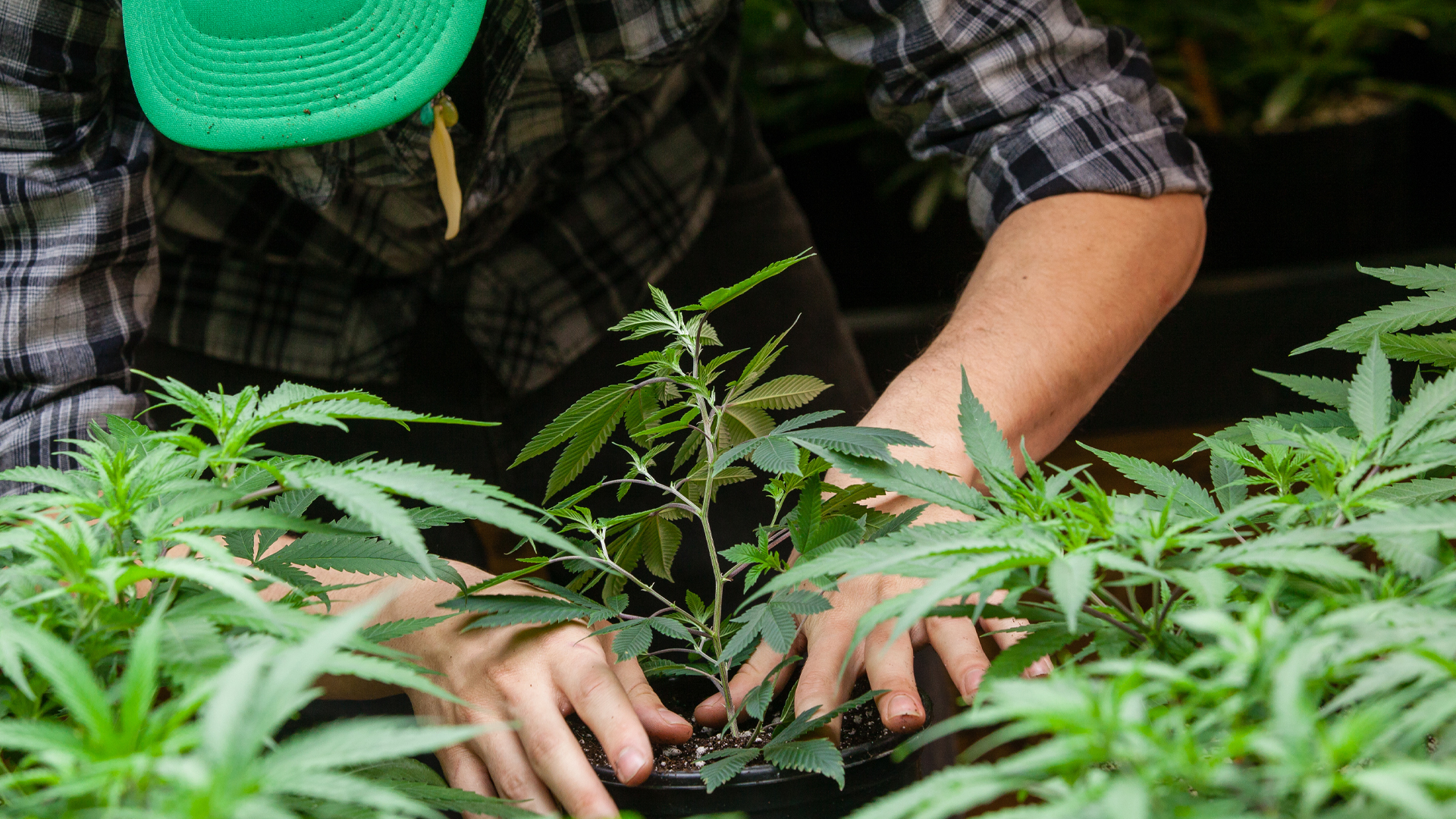
Building a cannabis cultivation facility involves more than just constructing a greenhouse or an indoor area. Creating the ideal growing conditions is the key to true success. Improving cannabis yields in greenhouses Growers must carefully control temperature, humidity, lighting, airflow, and irrigation during the plant’s life cycle.
The climate inside the greenhouse should be stable using heating, cooling, ventilation, lighting, and watering systems. This improves efficiency, lowers energy costs, and produces high-quality cannabis.
Below are some key areas to focus on when designing a cannabis greenhouse.
Cooling Systems
Ventilation plays a role in keeping the greenhouse cool. A common method is the fan-and-pad system, which pulls warm air out while drawing cooler air through wet pads. This lowers the air temperature and keeps fresh air moving across the plants, reducing disease.
Natural ventilation utilizes roof and side vents to release hot air, much like a chimney. This is affordable but may not work in extreme heat.
Positive pressure cooling pushes air into the greenhouse through an evaporative system.
Heating Methods
Overhead gas heaters are widely used and blow warm air into the greenhouse. Fans then circulate the heat evenly. These systems are affordable, long-lasting, and easy to install.
Radiant hot water systems use pipes under benches or floors to deliver heat close to plants. This helps growth, reduces humidity around the canopy, and lowers disease risk. Although expensive to install, they save money over time and can be zoned for different crops.
Environmental Controls
Climate control systems automatically manage temperature and humidity. Sensors track conditions and activate vents, fans, or windows when needed. These systems range from simple thermostats to advanced computer controls.
Growers can set specific ranges for each growth stage. Automated controls improve efficiency and reduce mistakes. Some utilities even offer rebates to help offset installation costs.
Supplemental Lighting
Greenhouses use natural sunlight, reducing energy costs. However, extra lighting is still needed during cloudy days, winter months, or when growing in northern areas.
Common lights include high-pressure sodium and metal halide. LEDs are being tested and work well in smaller areas, though large-scale use is still costly.
Light Deprivation
Cannabis needs less than 12 hours of light to flower. Light-deprivation systems use blackout curtains and walls to block sunlight and control the plant’s cycle.
Small structures may use tarps, while large facilities rely on automated curtains with timers. Automation ensures accuracy and prevents mistakes.
Benching Systems
Benches save space, improve airflow, and make plants easier to manage. Rolling benches increase the growing area.
Dutch tray systems move plants from growing areas to shipping zones, saving labor and time.
Irrigation and Fertigation
Manual watering leads to uneven growth. Drip irrigation provides small, controlled water pulses directly to roots, reducing waste and disease.
Fertigation systems mix nutrients, monitor pH and EC, and ensure every plant receives feeding.
Water filters and reverse osmosis systems help standardize water quality across facilities.
Growers can combine these techniques to create a stable, efficient, and prolific cannabis greenhouse that produces consistent, high-quality crops.